
Call us now :07971405422
 Send Inquiry
 Send Inquiry
Moong Dal
Price 175 INR/ Kilograms
MOQ : 500 Kilograms
Moong Dal Specification
- Type
- Mung Beans
- Physical Form
- Whole
- Variety
- Mung Beans
- Color
- Yellow
- Weight
- 1 Kilograms (kg)
Moong Dal Trade Information
- Minimum Order Quantity
- 500 Kilograms
- Supply Ability
- 500 Kilograms Per Day
- Delivery Time
- 1 Week
Moong Dal About
Free of any sort of food adulterants, our wide variety of pulses are available in packaging as specified by the clients. The Indian Pulses that we offer are clean, and comprises of the essential proteins and other nutrients.Nutritional Value
Yellow Moong Dal is renowned for being a rich source of plant-based protein, dietary fiber, and essential minerals such as potassium and magnesium. With low fat content and easy digestibility, it supports a healthy diet and contributes to overall wellness.
Versatile Culinary Ingredient
Moong Dal's mild flavor and tender texture make it an excellent component in soups, stews, salads, and classic Indian dishes like Dal Tadka or Khichdi. Whole mung beans also lend themselves to sprouting and can be used in both savory and sweet recipes.
FAQ's of Moong Dal:
Q: How should I cook whole Moong Dal?
A: To cook whole Moong Dal, rinse the beans thoroughly and soak them in water for a few hours. Boil until tender, then season and use as desired in your favorite dishes. Pressure cooking reduces preparation time and enhances textures.Q: What are the main health benefits of using Moong Dal?
A: Moong Dal is packed with protein, fiber, and vital nutrients such as folate and magnesium. Consuming it regularly can help support muscle building, improve digestion, and maintain stable energy levels.Q: When is the best time to use Moong Dal in meals?
A: Moong Dal is suitable for any meal-breakfast, lunch, or dinner. Since it's light and easy on the stomach, it's especially popular for balanced lunches and dinners, and is a staple during fasting or detox diets.Q: Where is this Moong Dal sourced from?
A: Our Moong Dal is manufactured and supplied in India, ensuring high-quality standards and freshness from one of the world's largest mung bean producers.Q: What is the usual process for preparing Moong Dal in Indian cuisine?
A: Typically, whole Moong Dal is soaked, boiled, and then tempered with spices such as cumin, turmeric, and garlic. It may be combined with vegetables or used as a thickener for soups and curries.Q: How can I use Moong Dal beyond traditional recipes?
A: Besides dals and curries, Moong Dal can be sprouted for salads, ground for pancakes (chillas), or added to desserts and baked goods for extra nutrition.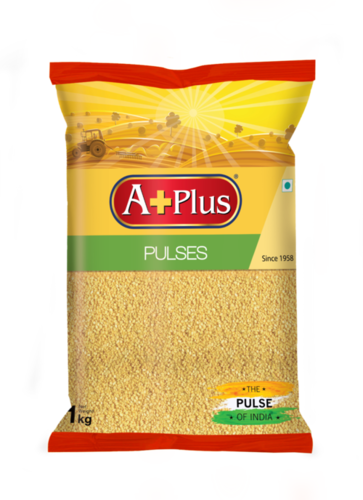
Tell us about your requirement

Price:
Quantity
Select Unit
- 50
- 100
- 200
- 250
- 500
- 1000+
Additional detail
Mobile number
Email

More Products in Pulses Category
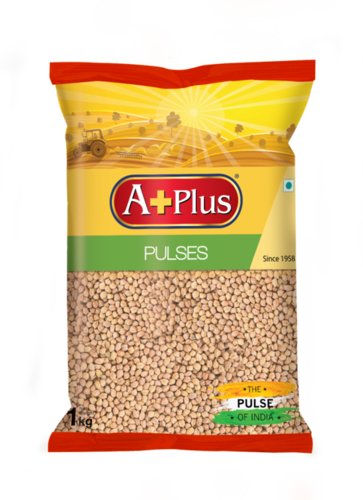
Organic Black Gram
Price 105 INR / Kilograms
Minimum Order Quantity : 500 Kilograms
Pulse Style : Dried
Color : Black
Shelf Life : 12 Months
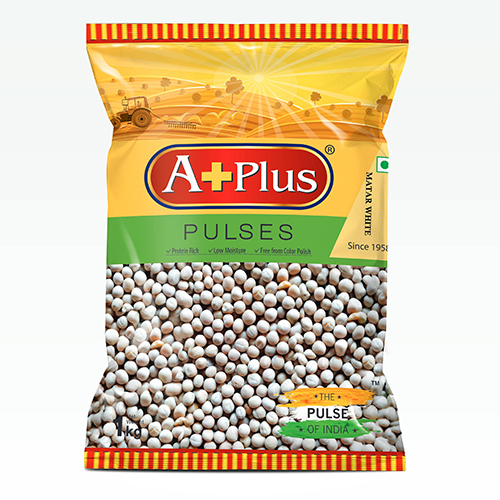
1kg Matar White
Minimum Order Quantity : 500 Kilograms
Pulse Style : Dried
Color : White
Shelf Life : 12 Months
Physical Form : Whole
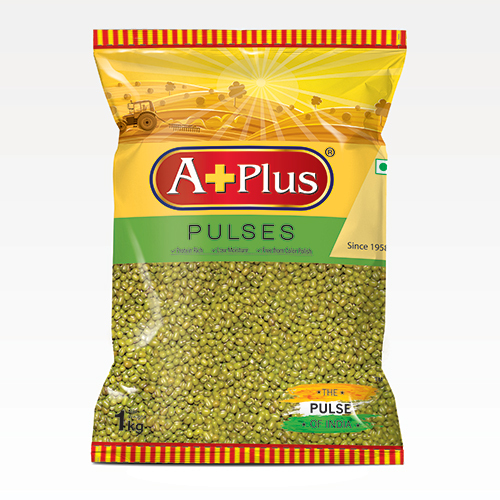
1kg Moong Sabut
Minimum Order Quantity : 500 Kilograms
Pulse Style : Fresh
Color : Green
Shelf Life : 12 Months
Physical Form : Whole
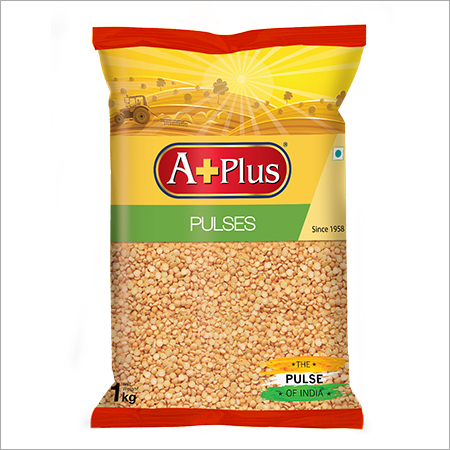
Organic Chana Dal
Price 112 INR / Kilograms
Minimum Order Quantity : 500 Kilograms
Pulse Style : Fresh
Color : Yellow
Physical Form : Splited

 Send Inquiry
Our Products


B No. 157-158, Old Dana Mandi, Railway Road,Nawashahr - 144514, Punjab, India

Mr Gurdeep Singh
(Marketing Head)
Mobile :07971405422
 Send Inquiry
 Send SMS
Developed and Managed by Infocom Network Private Limited.
